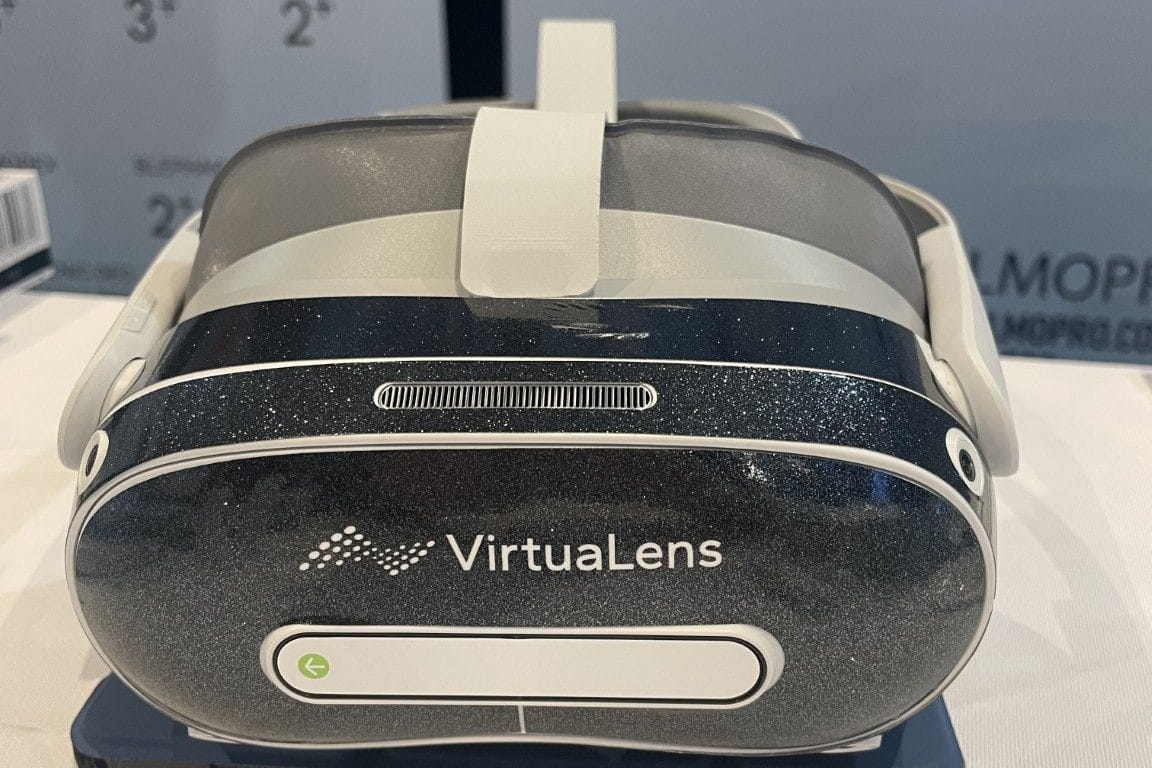
Among the technologies demonstrated by OphthalmoPro at RANZCO NZ 2026 was VirtuaLens, a virtual reality headset designed to help cataract patients understand the potential visual outcomes of different intraocular lenses (IOL).
Having tried the system myself, I found it transformed what, for me, is a highly theoretical discussion into something much more tangible. Through the headset, I was able to view a series of everyday scenes designed to simulate vision with different lens types. These included distant mountain landscapes, intermediate viewing tasks and close-up activities, helping demonstrate the trade-offs between monofocal, extended depth-of-focus (EDOF) and multifocal lenses.
One of the most striking demonstrations involved night-time driving conditions. The simulator recreated the appearance of traffic lights, headlights and other light sources, showing how visual phenomena such as halos and glare may be perceived with different lens technologies.
OphthalmoPro territory manager David Harris said the technology was designed to support patient education and confidence during the lens selection process. Choosing an IOL often involves balancing factors such as spectacle independence, visual quality and lifestyle needs, he said, but many patients find it difficult to visualise how different designs may affect their day-to-day vision.
New to New Zealand, the VirtuaLens system aims to bridge that gap by allowing patients to experience simulated visual outcomes before making a decision. For me, it provided a much clearer understanding of concepts that previously seemed hard to grasp and highlighted the value of helping patients better understand their options before surgery.