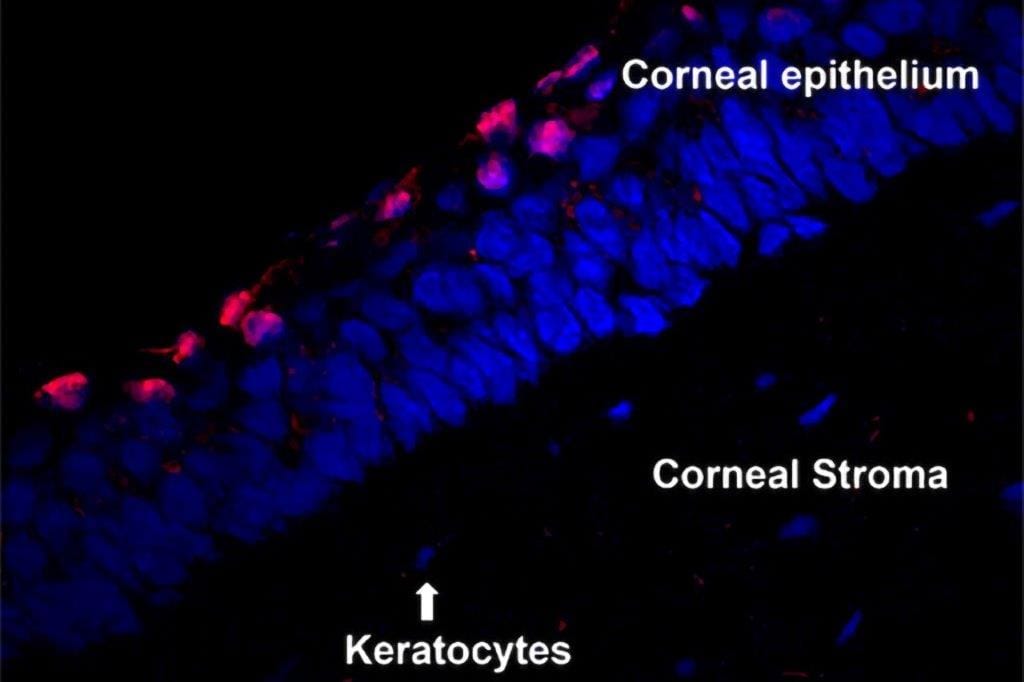
Microbial keratitis (MK) is an acute and potentially visually devastating infection of the cornea caused by bacteria, fungi, amoebae and viruses. The infection is relatively rare in developed countries but remains a major cause of permanent blindness in low-income countries. Risk factors are well-defined and include contact lens wear, ocular surface disease, ocular surgery, low immunity, diabetes and ocular trauma.
Typically, the initial treatment for MK is broad-spectrum antibiotics, which aim to cover a wide range of bacteria, also called empiric treatment. The cornea is first debrided to culture a specimen from the infection site to identify the microorganisms in the laboratory, while empiric therapy is initiated. The initial medicine (eg, antibiotics, antifungals or others) is usually selected on the basis of the appearance of the ulcer, the presenting history and associated clinical characteristics1. After laboratory culture reports are available, treatment is optimised to target the causative pathogen, usually within 24 to 48 hours. In the interim, as the infection can progress rapidly, eye drops are often instilled every 30-60 minutes to minimise the risk of corneal perforation and permanent blindness.
Severe cases often require hospitalisation to ensure timely application of antibiotic drops, and subsequent surgical intervention may also be required due to disease sequelae. Previous research has confirmed that delayed hospital presentation, delayed diagnosis due to culturing requirements, increasing antibiotic resistance and loss to follow-up, impact the outcomes of MK in New Zealand2. Furthermore, the spectrum of pathogens in MK is evolving, with more virulent and antibiotic-resistant bacteria being isolated with increasing frequency. For example, in New Zealand, corneal infections caused by virulent P. aeruginosa from 2013-2014 were estimated to be 12.5 per million cases, up from 5.4 per million during the 1999-2000 period2,3.