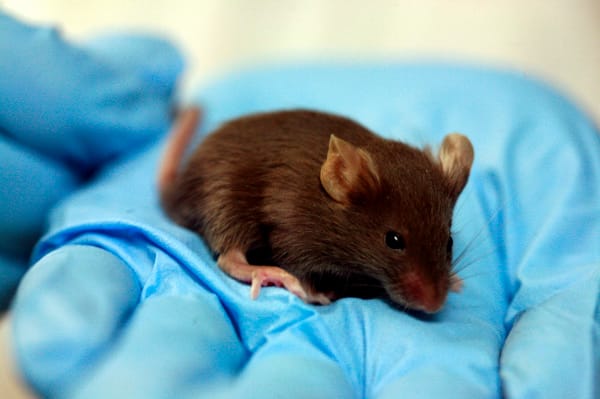
Inserting a single gene in blind mice gave them back their sight, said scientists, adding the treatment could be being tested in humans in as little as three years.
A month after University of California, Berkeley, researchers placed a gene for a green-light receptor into the eyes of blind mice, the mice were navigating around obstacles as easily as mice with no vision problems, the study, published in Nature Communications, said.
The researchers said they hoped the gene therapy could give humans with retinal degeneration-related sight loss enough vision to move around and potentially read or watch video.
“With neurodegenerative diseases of the retina, often all people try to do is halt or slow further degeneration. But something restoring an image in a few months — it is an amazing thing to think about,” said a UC Berkeley molecular and cell biology professor Ehud Isacoff.
The therapy involves injecting inactivated viruses into the vitreous to carry a gene directly into “blind” ganglion cells to make them light sensitive, returning sight to eyes that have lost the normal rod and cone light sensors.