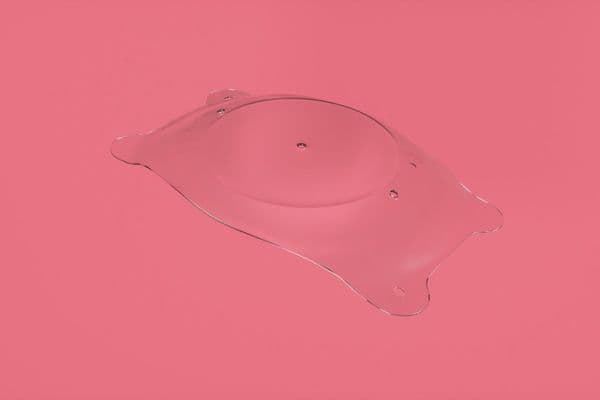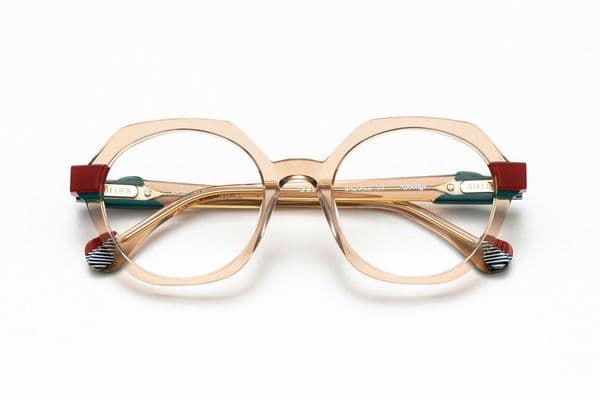
A two-year clinical study evaluating Lenslet-ARray-Integrated (LARI) spectacle lenses found switching designs further reduced axial elongation, while refractive error progression remained similar.
Led by a team of researchers from the Wenzhou Medical University in China and published in Eye and Vision, the findings suggest that varying optical signals over time may augment existing myopia-control strategies.
The study followed 218 myopic children aged 6–12 years who wore LARI spectacle lenses designed with either positive or negative power lenslets. By comparing children who continued with the same lens design with those who switched, the researchers investigated whether altering optical cues could enhance long-term myopia control.