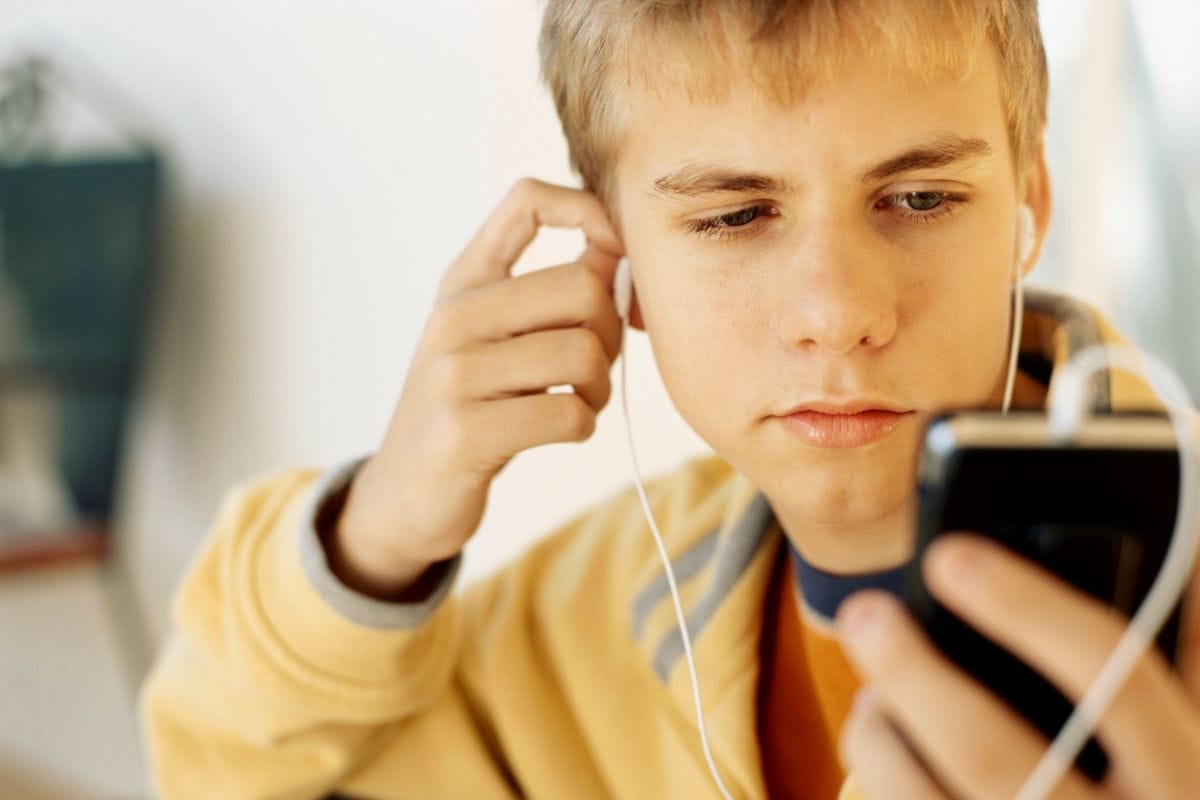
Teenagers’ continuous smartphone use is associated with more myopic refractive errors, particularly in those with low outdoor exposure, according to researchers at Erasmus University Medical Centre, Holland.
Using the smartphone application ‘Myopia’, Professor Caroline Klaver’s team investigated the association between smartphone use and axial length and refractive error in Dutch teenagers. A total of 525 individuals aged 12 to 16 years (54% girls) from six secondary schools and from the birth cohort study ‘Generation R’, were included in the study. The app objectively measured their smartphone use and face-to-screen distance and asked questions about outdoor exposure at regular intervals. Participants also underwent cycloplegic refractive error and ocular biometry measurements.
Findings showed that myopia prevalence was 18.9% in this cohort. During schooldays, total smartphone use averaged 3.71 hr/day and was borderline significantly associated with axial length (AL) and corneal radius (CR), but not with spherical equivalent (SER). Daily use was, on average, 6.42 episodes of 20 minutes per day without breaks and was significantly associated with SER and AL/CR (β=-0.07, 95% CI=-0.13, -0.01; β=0.004, 95% CI=0.001-0.008, respectively). Considering outdoor exposure, continuous use remained significant only for teenagers with low exposure (β=-0.10, 95%CI=-0.20, -0.01 and β=0.007, 95%CI=0.001-0.013 for SER and AL/CR, respectively). Smartphone use during weekends was not significantly associated with SER and AL/CR, nor was face-to-screen distance.