Artificial intelligence (AI) used to exist only in the imaginations of science fiction writers – the self-preserving HAL 9000 in 2001: A Space Odyssey, a conquering Skynet in The Terminator and an affectionate Samantha in Her. Now AI is here, recommending the next binge-worthy flick, answering voice requests about almost any topic, defeating chess Grandmasters… self-driving vehicles, computer-generated art and medical diagnoses1 will soon feel just as familiar.
Alongside this technological evolution, preventable diseases are also on the rise. Diabetes is estimated to double in the next 20 years2, while district health board financial reports from April 2021 show Aotearoa’s entire health sector is more than half a billion dollars in debt. The script is written: AI will begin to take a leading role. The question is whether AI is the potential saviour or an unwitting villain in the saga of overburdened healthcare.
Why the deep dive into deep learning?
Over 250,000 Kiwis have diabetes and a quarter of those have some form of diabetic retinopathy (DR). Requiring retinal images at least biennially, the demand for grading is growing and hard-working diabetic screening services are already at capacity.
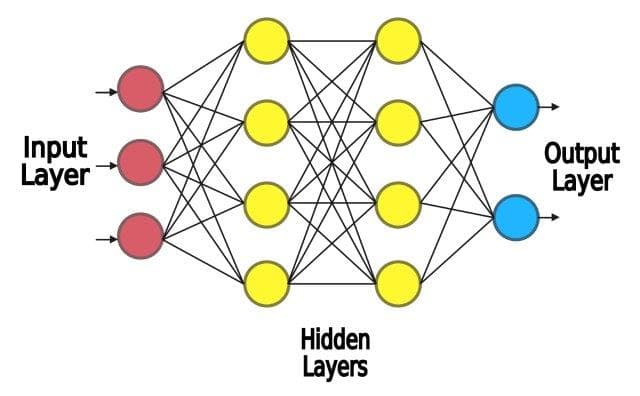
Introducing deep learning could help dramatically with this pressing issue. Traditionally, computers solve problems by taking inputs, applying human-programmed rules and creating valuable outputs. Simple, if the inputs are as trivial as frame details and pupillary distances to output minimum blank size; very difficult if the inputs are complex retinal images for DR grading.