Already widely recognised as a tool to help overcome resource and distance barriers for mainstream health services, telehealth has gained unprecedented traction as a result of the Covid-19 pandemic and subsequent lockdown. It continues to be the New Zealand Ministry of Health’s (MoH) preferred model of care for the allied health sector in Alert Level 2, with many New Zealand optometry practices now also embracing teleoptometry, providing an eyecare lifeline for patients during the pandemic.
OPSM rolled out teleoptometry across New Zealand and Australia in mid-April to assist patients with an eye health concern or critical dispensing need, said Peter Murphy, OPSM’s director of eyecare and community. “With this innovative solution in place, OPSM is able to continue to support the local community’s eye health needs, giving people remote access to essential optometry services, no matter where they are.”
OPSM New Zealand country director James Melton said teleoptometry consultations had provided a consistent workflow in New Zealand since the service was launched. “Currently, the volume is enough for a couple of full-time optometrists and we are considering expanding that as restrictions ease.”
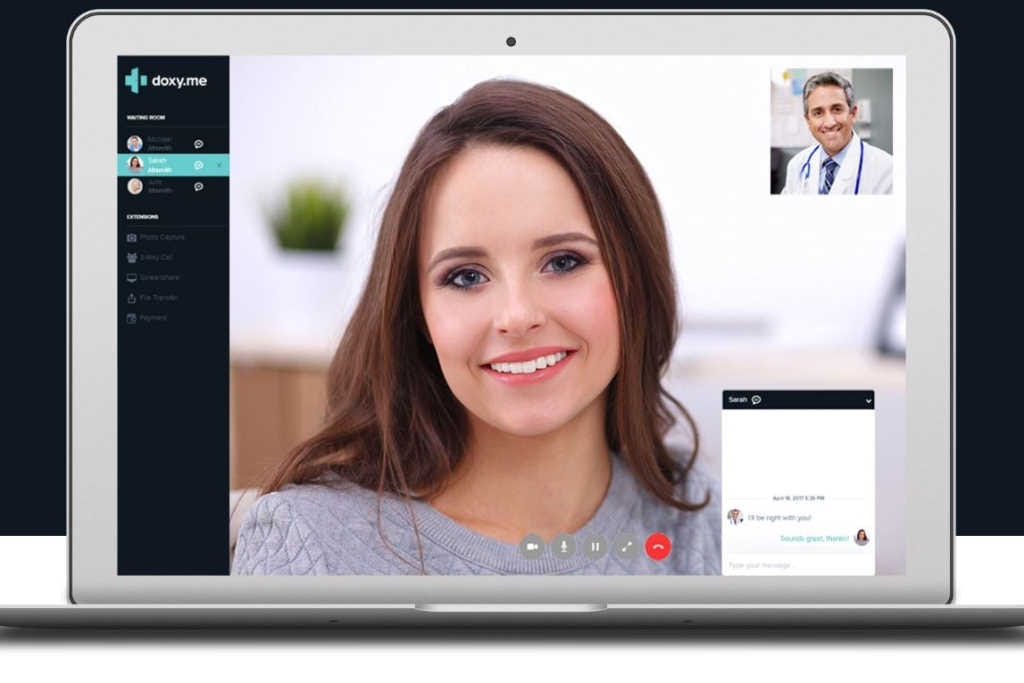
Telehealth is delivered using video conferencing, audio communication and/or text-messaging, using mobile phones, tablets or desktop computers and typically includes a live-chat, virtual check-in and waiting room and a meeting history record.
“A teleoptometry consultation is just like a short consultation at an OPSM store,” said Murphy. “An optometrist will ask patients a series of simple questions, so they can evaluate their eyesight, and patients can ask questions. If the patient has been to see us previously, the optometrist has access to case histories and electronic record cards, so an informed diagnosis can be made and the patient guided through the next steps. In some cases, the optometrist may refer the patient for general or ophthalmology care as necessary.”