Toku Eyes has completed its first prospective clinical trial of its artificial intelligence (AI) screening platform Theia, designed to support more cost-effective diagnosis and prognosis of eye disorders.
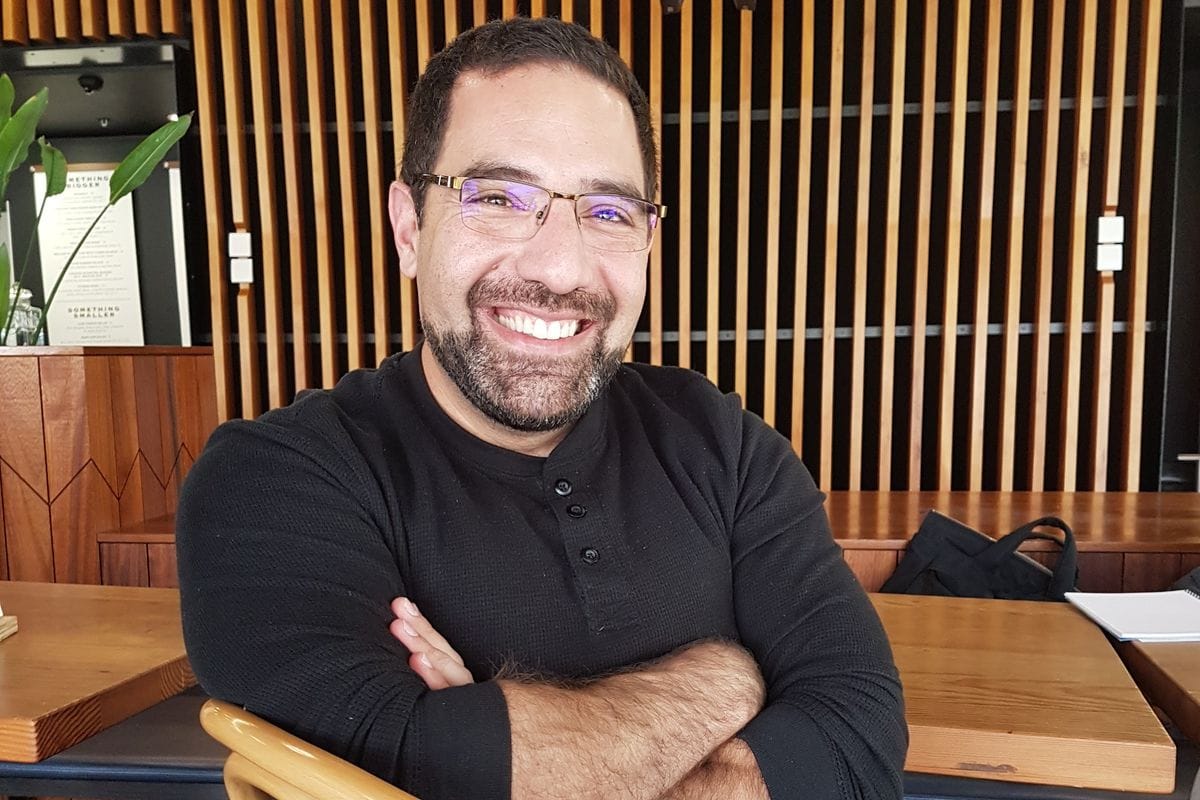
The trial, which focused mainly on diabetic retinopathy (DR), included 1,000 patients from Middlemore Eye Hospital and Naylor Palmer Optometry. Revealing topline results in June, Theia achieved a sensitivity of 98.9%, a specificity of 92.6%, a negative predictive value of 99.5% and an imageability rate of 99.9%, which is better than any other FDA-approved AI imaging tool in the world, said Dr Ehsan Vaghefi, Toku Eyes co-founder and CEO. “Theia is the most accurate algorithm of its kind available today, while providing the highest level of diagnostic granularity. This diagnostic tool has the potential to vastly improve early detection of eye disease.”
In Toku Eyes’ economic modelling, in New Zealand alone, Theia could expand existing screening capacity by an estimated 50% and reduce labour costs by 30%, said Dr Vaghefi. Camera agnostic, Theia is designed to handle lower quality images, works with any number of images per eye and automatically identifies images belonging to the same eye and the same patient, he explained. “Using a practice’s existing camera, operated by a technician after basic training, Theia frees up specialists’ time currently spent scanning and writing reports for every patient, when just an estimated 5-10% actually need a referral.”
As well as reliably detecting DR and several other diseases, Theia provides a patient-specific disease progression rate, which can be used in educational conversations with the patient about preventative measures, said Dr Vaghefi.
Naylor Palmer optometrist Jacob Benefield said the platform is user-friendly and doesn’t appear to miss anything. “Occasionally it might flag an epiretinal membrane as retinopathy but you’d rather it flag too many things than miss something.”