A handheld gaming device designed by UK and Auckland-based researchers to rebalance amblyopic children’s vision has been approved as a medical device in the UK.
The device, developed and trialled collaboratively by Auckland University, University College London (UCL) and Moorfields Eye Hospital in London, shows modified 3D movies, engaging children and increasing their therapeutic compliance. Visual acuity improvement after two to six months was similar to that achieved in two years with patching, said Professor Steven Dakin, one of the research leaders and head of Auckland University’s School of Optometry and Vision Science (SOVS).
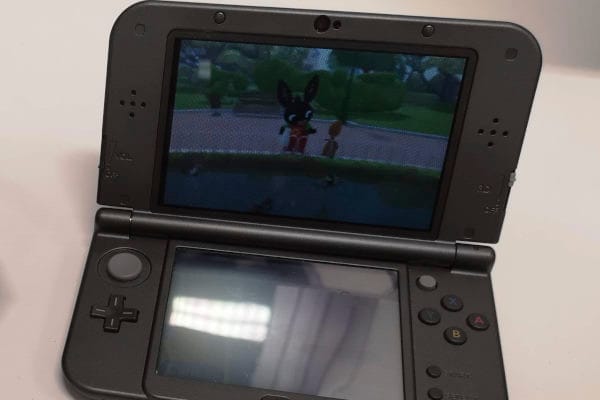
The device works by employing a 3D movie’s unique technology which relies on two separate but nearly identical images being seen, one by each eye. In trials of the device an optometrist assessed each patient at the start of treatment. The patient was then given a handheld Nintendo 3DS to view the movies, while a researcher added a customised amount of blur to the image seen by the “good” eye to promote binocular vision and force the patient to use their weaker eye to view the unblurred image.
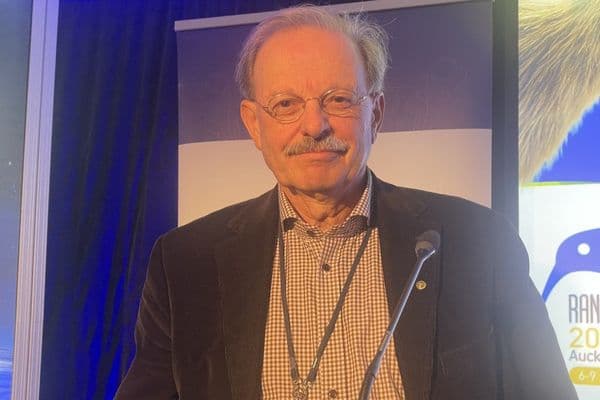
Prof Dakin said it was initially thought the treatment needed to focus on breaking interocular suppression (IS), but an earlier SOVS study showed IS remained despite improvements in visual acuity. “This therapy does not work by breaking IS. The suppression is still in place, which is strange because their vision is improving but they’re still suppressing, so we don’t really understand the mechanism.”
It’s believed it works because it improves compliance, he said, reporting 95% of patients complied with the treatment. Afterall, what’s not to like about watching 3D movies, especially when compared with current amblyopia therapies such as patching or atropine drops.