Visual testing may prove to be the most reliable, portable and easiest test to implement in schools and amateur sports for concussion, say researchers. This is the theory being tested by a new study team lead by Australian neuro-ophthalmologist Professor Clare Fraser and Dr Adrian Cohen, a senior lecturer at Sydney Medical School.
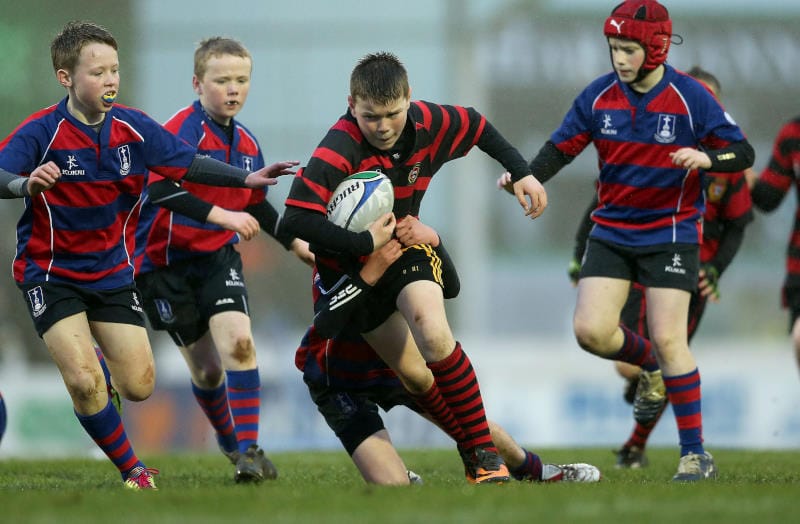
With no single, accepted, diagnostic test for concussion, the Sydney University research team aim to find a more accurate system to diagnose mild traumatic brain injuries (mTBI) that can be used by non-medical professionals at all levels of sport to prevent long-lasting damage, especially to developing brains in children and adolescents. The issue has been made more serious by the deaths of several junior players around the world from ‘second-impact syndrome’. The players died following a second blow to the head before they had fully recovered from a previous concussion, causing the brain to swell catastrophically. “Unfortunately, only professional sports teams have doctors on the sidelines,” said Prof Fraser.
The University team has been working with the Sydney-based Ranwick Rugby Union Club for the past three years analysing how visual processing can be used to better diagnose concussion. They already have data from over 100 male rugby players (aged 18 to 35 years) and plan to have their first study submitted for publication this month. Further tests will continue throughout the 2017 rugby season to measure changes to the brains visual stimulus processing.
“The main issue with mTBI is the broad definition and the lack of strong diagnostic criteria. Players with concussion may risk serious health effects if they return to the sport too soon,” said Prof Fraser. “We hope these tests can be used by non-medical professionals to guide them on when to remove a player from the field and send them for assessment and possible treatment.”
The visual system accounts for over 50% of the brain circuitry and the visual pathways are in areas particularly vulnerable to shear-injuries in a head blow, she said. “We are assessing saccadic eye movements as well as visual evoked potentials, to determine which tests can be used in diagnosis of concussion.”