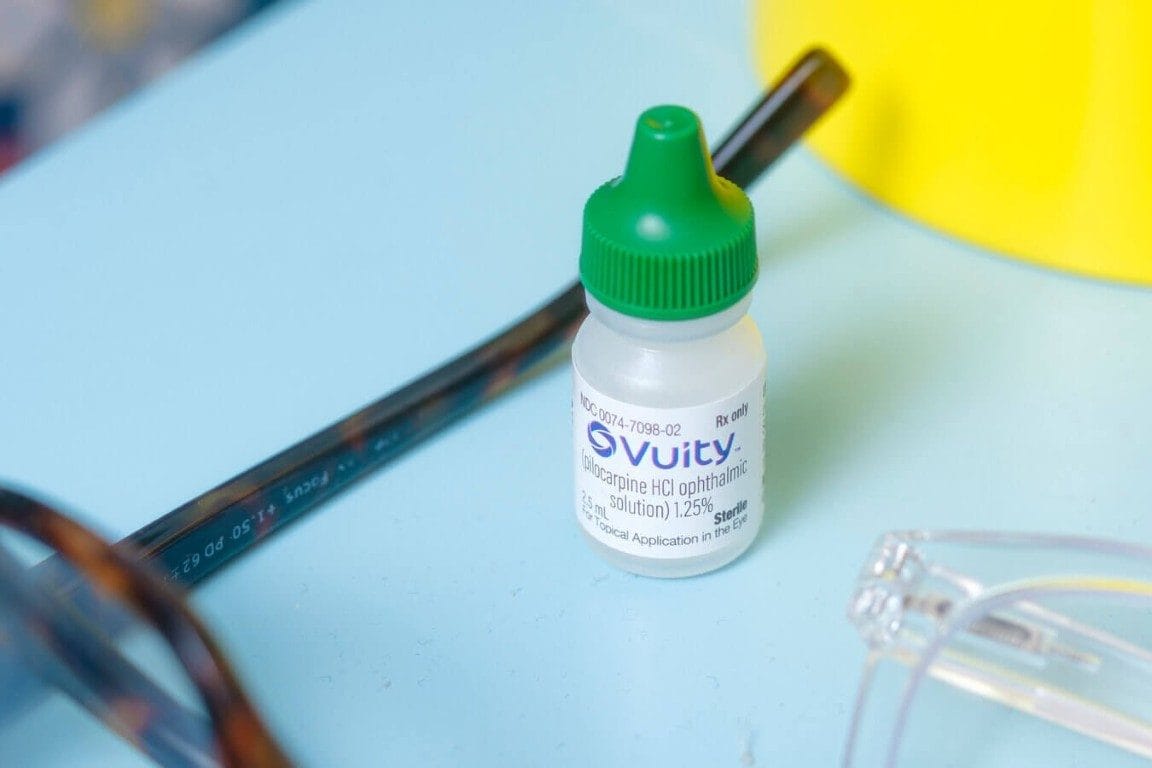
Early observations from our study of Vuity (pilocarpine hydrochloride ophthalmic solution 1.25%, Allergan) indicate that subfoveal choroidal thickness and retinal thickness remained stable following treatment. Some changes in retinal electrical activity have been observed, and these appear to be driven by reduced retinal illumination due to Vuity’s pupil‑constricting effect. Our data do not suggest Vuity is causing any other significant changes in retinal activity and additional analyses are underway to investigate the potential underlying mechanisms.
These findings highlight the need for continued investigation into the safety profile of pilocarpine, particularly in individuals with, or at risk of, retinal disease. An abstract outlining these preliminary results has been prepared and submitted for presentation at August 2026’s International Society for Eye Research (ISER) conference in Spain.
In parallel, insights from the long-term study phase are beginning to emerge. Participants have reported practical considerations associated with ongoing use of Vuity eye drops, providing valuable real-world perspectives on treatment usability and adherence.
Looking ahead, further data collection is a priority to strengthen the overall dataset and support more detailed analysis. Planned work will explore regional variations in retinal and choroidal structure, as well as spatial differences in retinal electrical activity.
Participant recruitment commenced in April last year; we currently have 14 participants and aim to recruit a total sample of 24. Current funding supports the study through to August this year but we have applied for an extension that would allow continuation to August 2027.