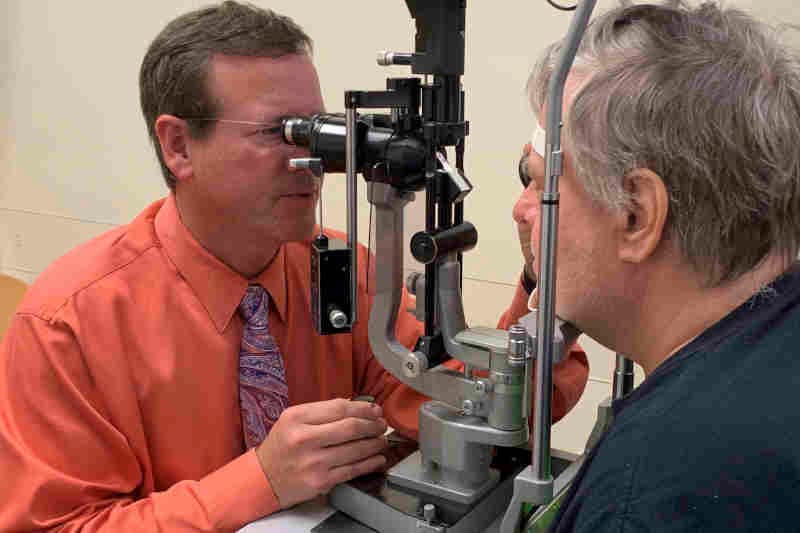
Watchful waiting is a reasonable approach for patients with diabetic macular oedema (DME) who still have good vision, the US National Eye Institute (NEI) said.
A large clinical trial, funded by the National Institutes of Health (NHI), of which the NEI is part, found people with centre-involved diabetic macular oedema, who still have good vision, can safely forego immediate treatment of their eye condition as long as they are closely monitored, and treatment begins promptly if vision worsens.
The NIH said the study, published in the Journal of the American Medical Association, should help physicians and patients navigate a common conundrum in ophthalmology. Treating diabetic macular oedema in people who still have good vision too soon could subject them to unnecessary costs and risks associated with treatment, while those treated too late risked losing vision permanently.
“We now know in patients with good vision and DME it’s an acceptable strategy to closely monitor patients and initiate treatment only if their vision starts to show signs of decline,” said lead investigator ophthalmologist Dr Carl Baker.
The trial included 702 people with diabetic macular oedema and 20/25 vision or better. Participants were randomly assigned to be treated through regular anti-vascular endothelial growth factor (anti-VEGF) aflibercept (EYLEA) injections or laser photocoagulation, or just underwent observation.