Interestingly pain perceived as ocular surface pain, can differ in origin. Nociceptive pain (caused by a corneal abrasion for example) is the normal activation of the cornea’s nociceptors. The majority of nerve endings in the cornea are polymodal nociceptors, which are sensitive to a range of stimuli, including force, noxious chemicals, and heat. These are the nerves that a conventional aesthesiometer would be testing. A minority of nerves, the cold thermoceptors, are believed to play more of a role in regulating basal tear production and therefore are of interest in dry eye research, which is why the new Non-Contact Cooling Aesthesiometer (NCCA) device incorporates a cooling mode to preferentially stimulate these nerves.
Neuropathic pain, on the other hand (for example, post-herpetic neuralgia following shingles) is due to a lesion or disease process in the somatosensory nervous system, and is described as pain without biological value. It has become increasingly well understood, from research in recent years, that damage to corneal nociceptors from tear film instability in dry eye disease, can be responsible for, not only exacerbating dry eye through reduced corneal sensitivity, but conversely, resulting in a central increase in gain or amplification of the signals from the cornea to compensate. In around 5% of cases, this can explain the increased subjective pain experienced by a small but challenging group of individuals who report symptoms of dry eye that are seemingly out of proportion to their clinical signs. In cases like this, referral of the patient might be indicated as management may best be provided by a pain specialist.
Measuring corneal sensitivity, and attempting to differentiate between the different nerve endings present and the pathways they represent, by using both normal and cold stimuli is proving to be an interesting research area for many clinician scientists, not least because of the new challenges required to design and build new tools, such as the NCCA, which can do the research!
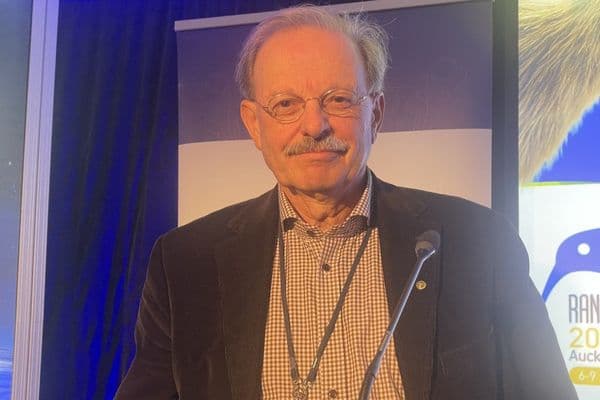
Dr Simon Dean is a specialist cataract and refractive surgeon at the Manukau Superclinic and the Eye Institute in Auckland. He is active in teaching and research, is a well-known speaker and has designed and built several ophthalmic instruments, including a corneal collagen crosslinking device and, now, the new NCCA.