
DED in space: bringing a tear to the sky
These authors recently travelled to Bordeaux to study DED in a space-like environment on board the Novespace flying laboratory. Here's what they learnt...
Drs Timon Ax and Francesc March de Ribot3 min read
These authors recently travelled to Bordeaux to study DED in a space-like environment on board the Novespace flying laboratory. Here's what they learnt...

We have seen an increasing number of children and adults with dry eyes. In our opinion, this is due to a cultural shift in behaviours – we used to speak to one another much more, but now we tend to stare at phones, tablets, books, computers and televisions.

The eyelids protect the eye physically, by blinking, which protects the ocular surface from noxious insult and facilitates tear spreading via secretion of lipids from the meibomian glands. Involutional or iatrogenic eyelid changes can influence eyelid function, potentially leading to dry eye. This r
Blepharitis is a common, underdiagnosed and often untreated eye affliction which may cause a range of clinical manifestations, including irritated eyelid margins, loss of eyelashes, tear film disruption, ocular discomfort and meibomian gland dysfunction1. Causes can include bacterial, viral, fungal

The ultimate impact of climate change will be like Covid on steroids. Remember during Covid the impacts of not being able to serve customers in the same way or source products from around the world? All those things will happen again with climate change, only exacerbated. The COP28 climate conferenc

Young people in New Zealand have among the highest rates of screen use in the world, both at home and at school. It’s now widely accepted within scientific communities that, along with opportunities for learning, social connection and having fun, digital devices and internet access also present a ri
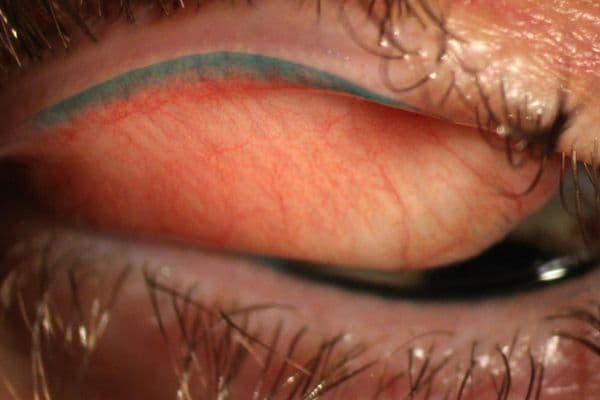
The impact of disease on the ocular surface is often assessed clinically by checking for fluorescein staining of the corneal epithelium, to highlight areas of damage secondary to trauma, infection or desiccation. In dry eye disease, corneal staining is typically superficial, punctate and located inf
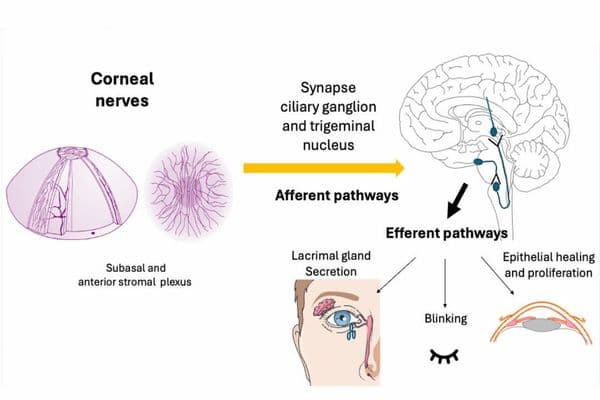
Dry eye disease (DED) is a multifactorial ocular surface condition that affects millions worldwide and is characterised by loss of homeostasis of the tear film, epithelial damage, inflammation and neurosensorial abnormalities1.
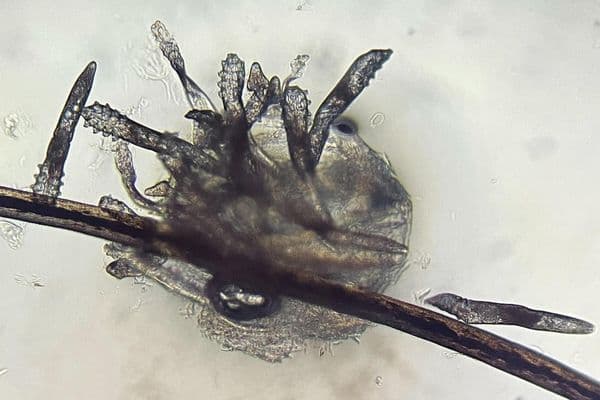
Demodex folliculorum is an eight-legged ectoparasite with a long tail, often found living within the follicles of eyelashes. Excessive numbers are thought to cause blepharitis and dry eye disease thro

Given the impact digital device use has on the ocular surface, what do we know about dry eye disease in the young?
How useful are corneal and lid margin sensitivity measures when it comes to detecting dry eye disease?

Ryan Mahmoud shares a case study where a dry eye patient with persistent corneal staining was successfully managed using scleral contact lenses.