


Keeping an eye on gut bacteria
In recent years there has been a healthy obsession with what we eat and its influence on our health and wellbeing. According to various studies, gut health has now been linked to the onset of
Louise Wood14 min read
In recent years there has been a healthy obsession with what we eat and its influence on our health and wellbeing. According to various studies, gut health has now been linked to the onset of

Held in Port Douglas, Queensland, this year’s Australasian Society of Cataract and Refractive Surgery (AUSCRS) conference was themed ‘A Whole New World’. It was appropriate, being the first AUSCRS

I was contacted by the family of Mr JM, a retired teacher. They were very worried that having always read every newspaper and copy of The New Zealand Listener from cover to cover, as well as having a library of books he was looking forward to getting into, he was now complaining he couldn’t read. Th

When it comes to salaries it is impossible to keep everyone happy. The recent controversy regarding optometrists’ salaries in New Zealand, triggered by a research report into salaries and the

Emerging treatment options for geographic atrophy (GA) secondary to age-related macular degeneration Hannah Khan Clinical Ophthalmology, 2023 Review: This review evaluated the current status of
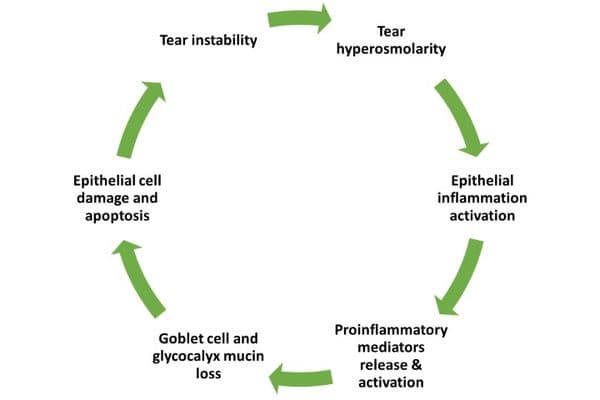
The optimal management of dry eye disease (DED) often seems an enigma. A recently published collaborative review, by Ocular Surface Laboratory (OSL) and Buchanan Ocular Therapeutics Unit (BOTU) researchers at the University of Auckland, outlined current anti-inflammatory options used in clinical man

Scleral lenses provide patients with many benefits and are an extremely useful adjunct in treating patients with ocular surface disease (OSD). Step three of the TFOS DEWS II report1 notes gas permeable scleral contact lenses (CLs) can be very beneficial to patients with moderate-to-severe dry eye di
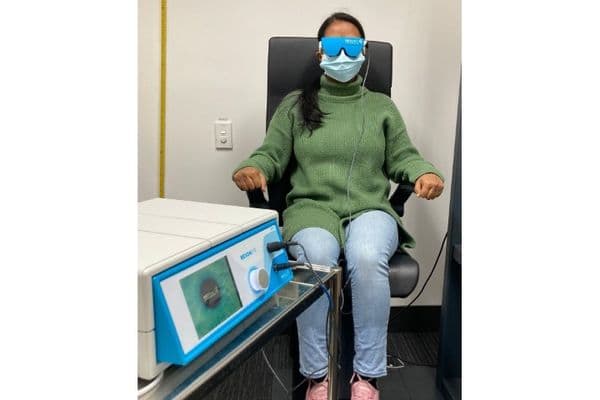
This randomised, double-masked, placebo-controlled trial investigated the effects of quantum molecular resonance (QMR) on the signs and symptoms of dry eye disease (DED). QMR is a novel dry eye therapy involving the topical application of electrical currents in the frequency-specific range of 4-64MH

Ocular health disparities between Māori and non-Māori are well-recognised1, with current epistemologies of Western medicine failing to acknowledge the holism of Māori health. Kaupapa Māori methodologies are important and help ensure Māori receive healthcare that reflects their principles and values

OK, I’ll admit it: as a journalist and copywriter, I use the artificial intelligence (AI) language model ChatGPT. Before your opinion of me sours, let me try to redeem myself by explaining how and why I use it.
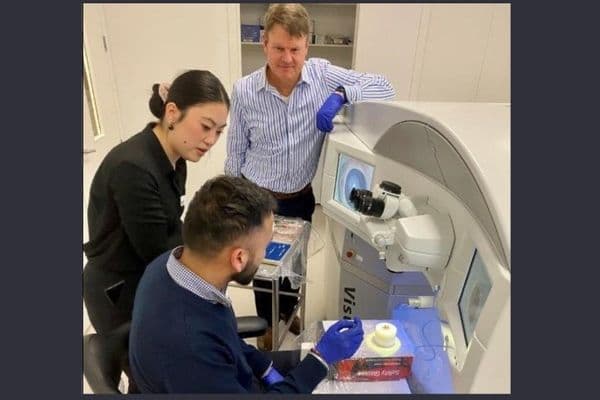
Arriving at Hamilton’s Laser Eye Centre's Education Evening, I knew I was in for an experience that would transcend the boundaries of my profession as an optometrist. As the night unfolded, we delved into the nuances of infectious keratitis, recurrent corneal erosion management and the importance of

In February of 2021, a 42-year-old woman was referred to our ocular surface disease clinic with ongoing symptoms of dry eye following her SARSCoV2 (Covid) infection in late 2019, which she had contracted in Hong Kong and had made her quite unwell.