
Myopia controlling blur?
Adjusting visual cues may slow the progression of myopia, providing a potential new basis for future treatments, US researchers found. The myopia epidemic is largely caused by human-made
Staff reporters1 min read
Adjusting visual cues may slow the progression of myopia, providing a potential new basis for future treatments, US researchers found. The myopia epidemic is largely caused by human-made

Following the recent spate of ram-raids, dispensing optician outlets could be eligible for a NZ$4,000 government subsidy towards fog-machine installation. Designed to disorientate criminals and
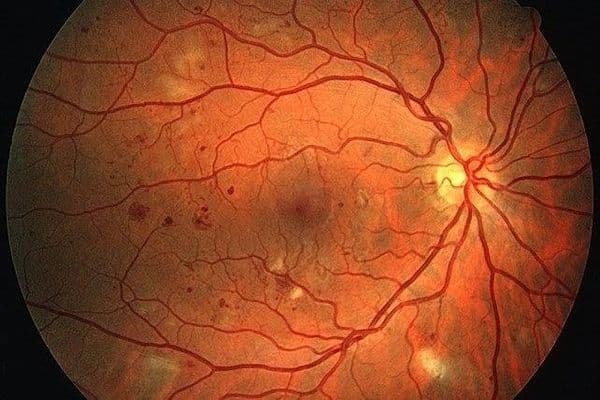
New research has found that retinal endothelial cells can self-protect against the damaging effects of hyperglycaemia (HG) in diabetic patients.

US ophthalmologists have urged eyecare professionals (ECPs) to be vigilant in spotting symptoms of monkeypox-related ophthalmic disease (MPXROD), which may be associated with severe ocular and visual

A US pilot study has shown that low-dose doxycycline, an antibiotic with anti-inflammatory characteristics used to treat bacterial infections, meibomian gland dysfunction and rosacea, may be a useful adjunct therapy for intraocular pressure (IOP) reduction.

The University of Auckland has appointed two new associate professors: Dr James McKelvie, senior lecturer with the Department of Ophthalmology, and Dr Julie Lim, senior lecturer with the department of medical science and senior research fellow with the department of physiology.

A study arising from the University of Sydney’s Fight Retinal Blindness! registry has concluded patients with central retinal vein occlusion (CRVO) who commenced VEGF inhibitors in routine care, and for whom follow-up was available, had visual acuity (VA) improvements of around 12 letters at three y

William Morris London is introducing a new socially responsible range of eyewear, supporting its drive to improve traditional manufacturing processes to help the climate and the planet.

A report by Aotearoa’s lead health agencies has recommended system-level changes to maximise the benefits of clinical trials to strengthen research culture and attract funding, all with an emphasis on better ethnic representation to improve the nation’s healthcare equity.

On the heels of Luxturna’s (voretigene neparvovec-rzyl) Medsafe approval in New Zealand to treat RPE65-mediated Leber congenital amaurosis (LCA), several other gene therapies for inherited retinal diseases (IRDs) are on the horizon.

Following a death, five cases of vision loss, and hospitalisations, the US Centers for Disease Control and Prevention (CDC) and the US Food and Drug Administration (FDA) have warned consumers and
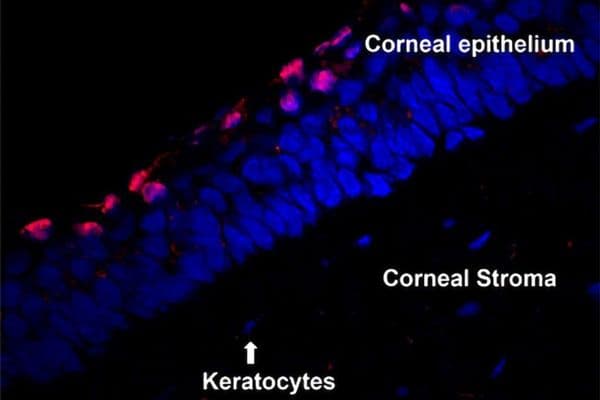
Microbial keratitis (MK) is an acute and potentially visually devastating infection of the cornea caused by bacteria, fungi, amoebae and viruses. The infection is relatively rare in developed countries but remains a major cause of permanent blindness in low-income countries. Risk factors are well-de