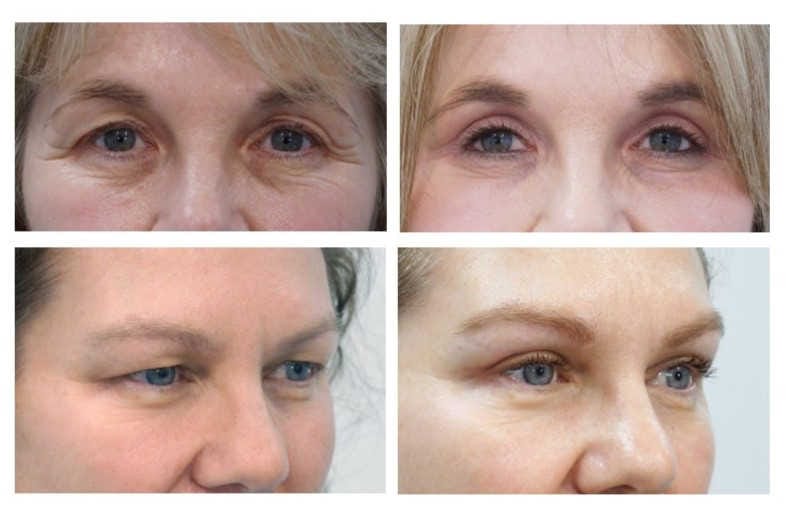
The first cosmetic surgery boom in the new millennium came in the early 2000s, along with reality TV shows promising people they could look ‘10 years younger in 10 days’. In some cases, ‘looking 10 times weirder’ may have been more appropriate, but there’s no doubt that both surgical and non-surgical procedures, in particular for facial rejuvenation, quickly became more acceptable. While the advent of soft-tissue fillers and a heightened awareness of the benefits of finessed botulinum toxin injections saw an exponential rise in the use of treatments to complement, or in some cases replace, surgery.
A more recent boom occurred with Covid-19. With a new virus causing a world pandemic, people in most professions were concerned with loss of work, but it became apparent that in some areas work increased1. Those in high-end car sales, kitchen renovations and plastic surgery found themselves busier than ever.
Given one of the more popular facial plastic surgical procedures is blepharoplasty, it’s little surprise the number of these patients presenting to my practice has significantly increased since early 2020.
Why the recent increase in blepharoplasty?
The post-pandemic demand for blepharoplasty can be explained by a number of factors including an increase in disposable funds (for some), more time to arrange treatment for medical and cosmetic concerns, and the stark reality of how we appear in Zoom meetings.