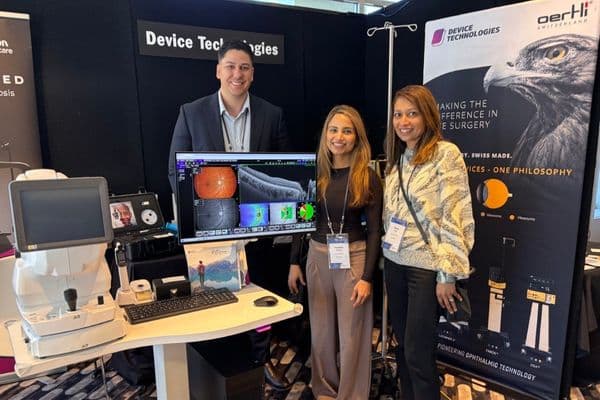
Oculus is celebrating the 20th anniversary of the Pentacam with a range of seminars featuring global Pentacam pioneers, including Dr Andrew Logan from New Zealand and Dr Ben Connell from Australia.
Acquiring a Pentacam in 2007, Dr Logan was one of the world’s first clinical users. He said he now couldn’t function without it. “Today, I exclusively do corneal refractive surgery and I use the Pentacam for every single patient, every visit. We’ve still got the same machine we started with; I’m actually surprised it’s not worn out. All we needed was a new processor but with continuous upgrades of the software it’s still going strong.”
The Pentacam can do so many things, the list of potential applications is extensive, and it’s upgraded all the time, he said. “A number of very passionate and very smart people who are using the Pentacam all the time are developing these programmes. They have their own passions and are happy to transfer their knowledge to other people; it’s really quite exciting.”
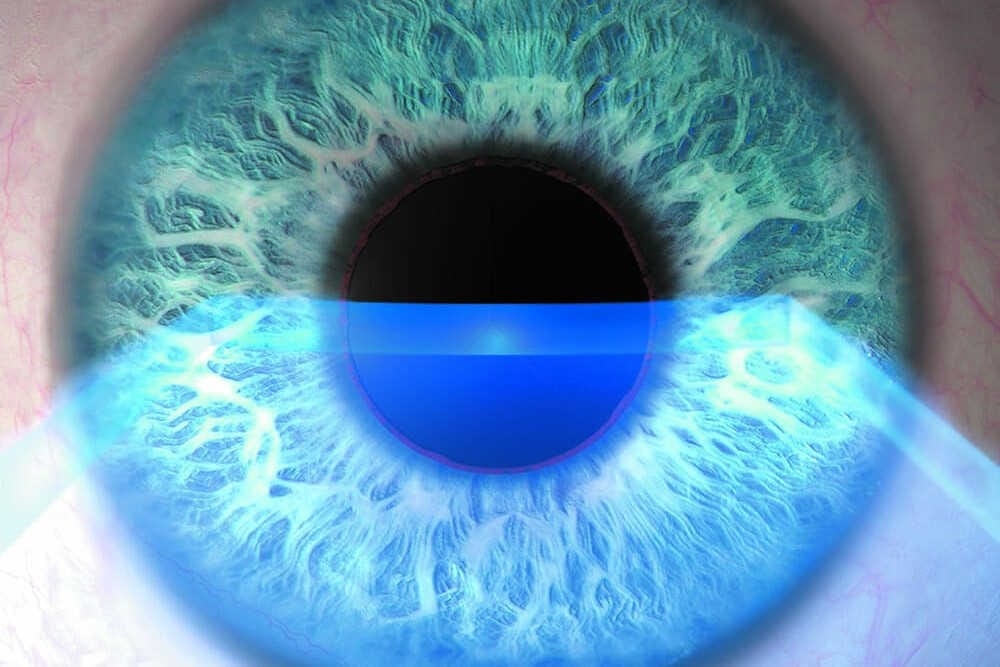
Since its release in 2002, the Pentacam has revolutionised corneal tomography, cataract and refractive surgery, said Ignatios Koukouras, Designs for Vision’s national product manager. When released, it offered reproducible scanning and a detailed view of the cornea and anterior segment previously not achievable, he said. “Its reliability has stood the test of time with a number of these early systems still supported and in operation.”
Designs for Vision has represented Oculus for over 20 years, introducing the Pentacam to Australia and New Zealand in 2003.