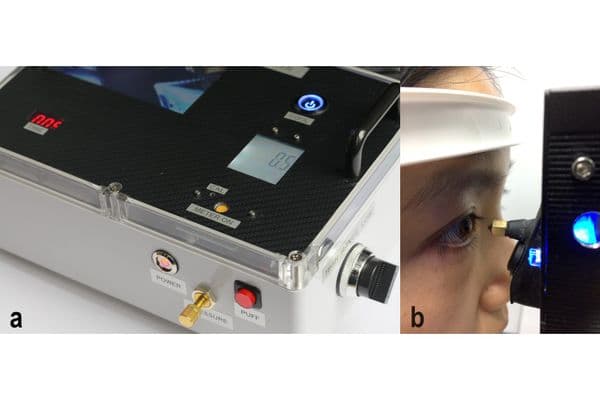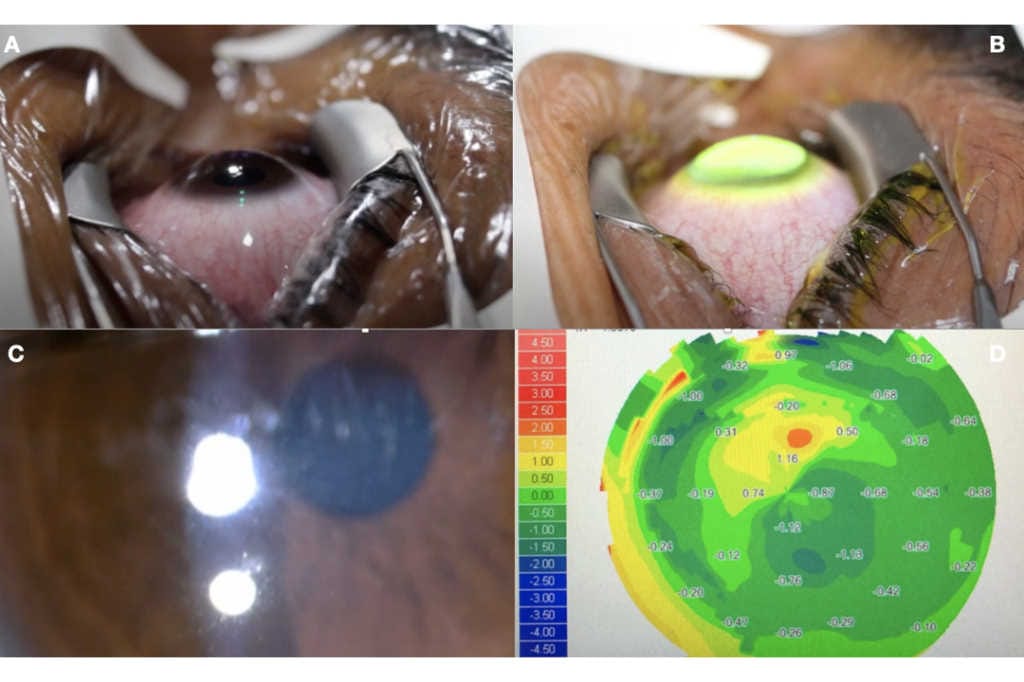
Keratoconus is a non-inflammatory corneal degeneration that leads to progressive corneal thinning, myopia, irregular astigmatism and scarring, resulting in debilitating vision loss which affects patients' quality of life1,2. Data from the New Zealand National Eye Bank over the past two decades have consistently reported keratoconus as the leading indication for corneal transplantation, accounting for 40-45% of corneal transplants annually3-5. Corneal crosslinking (CXL) is a relatively new technique used to strengthen corneal tissue utilising riboflavin as a photosensitizer and ultraviolet-A light (UVA).
Premium subscriber content
Sign in if you have a Digital or Print + Digital subscription. Don’t have one yet? Digital subscribers get full access to this article from $40/year +GST.
- Premium exclusive content
- Full digital magazine archive
- Early access to new articles