Optometry has been one of the hardest hit industries in the Covid-19 era. Not being an essential service, yet at the same time being a health provider, with a high patient-to-practitioner risk of SARS-CoV-2 transmission and no way of changing to a contactless business, is a cocktail of anxiety. Balancing the financial implications with the health risks of reopening would leave even the most accomplished juggler with bruises. But, however stressed and battered we feel about the need to get back to normal business quickly, many of our patients are also struggling with this new normal.
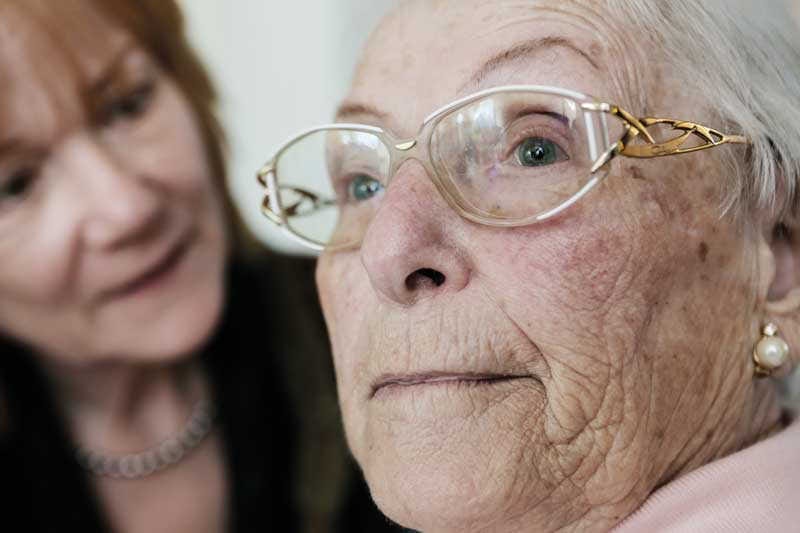
As large chunks of society revel at breaking loose from their bubbles to hit the local takeaway, an equally large proportion see the emergence from their enforced security into this strange new world as less than comfortable. I am referring to the ‘over 70s’.
Suddenly the over 70s have become a homogenous group with a label that forces them to confront their own vulnerabilities - physical and mental, as well as financial. The media hammers them with “our most vulnerable/fragile/at risk group who need to be protected”, when many are still working and used to being the dependable ones who care for others. Some have had their confidence shaken, while others are feistily fighting back at having their freedom brutally curtailed with declarations of independence and tales of how they have survived worse.
For the majority though, venturing out of lockdown is a very anxious time as the initial Level 4 restricted bubble felt far more secure than the broken bubble they now face. The doctor, dentist and optometrist are some of the scariest places to go when exiting the bubble, because those are places where sick people go. For those whose bubbles may contain immunosuppressed people, such as those undergoing or recovering from cancer treatment or other health issues, the added responsibility and anxiety is intense.
Many are also anxious that healthcare treatment delays may have been detrimental to their health, exacerbating conditions and weaknesses that were already present. Long delays in hospital waiting lists, now extended by the virus taking priority, have been at best frustrating and at worst terrifying for some.