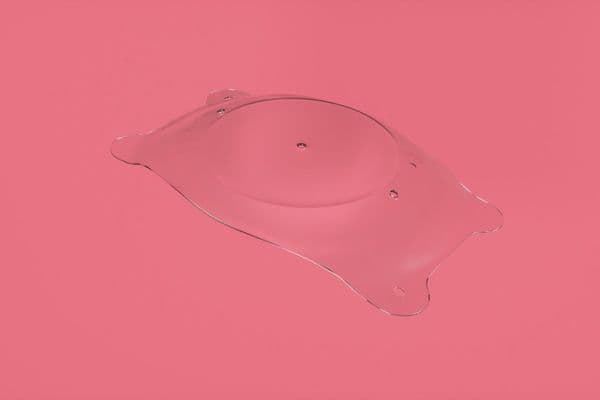
The Xen Gel Implant, a new innovation in glaucoma management for patients whose condition is not being well managed with drops, is now available in New Zealand.
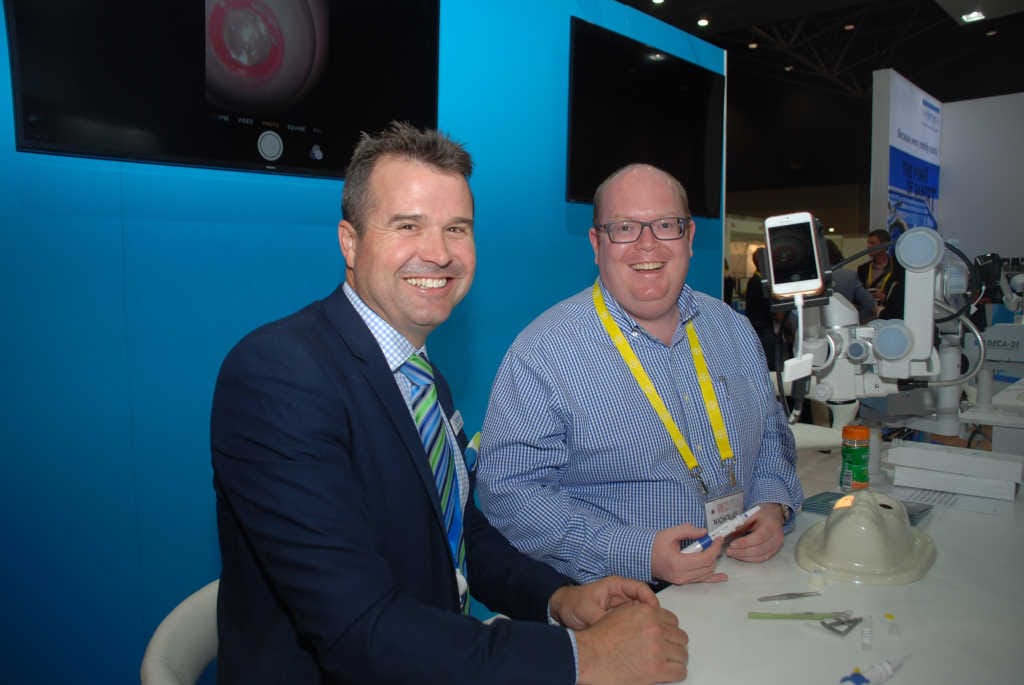
Talking to NZ Optics at RANZCO 2017, new RANZCO fellow (see pX) Dr Nic Johnston says the innovation is an exciting addition to the glaucoma armamentarium. Dr Johnston was particularly interested to see the stent in action having worked with its inventor, Australian ophthalmologist Professor Bill Morgan, in Perth as part of his fellowship.
The 6mm, biocompatible, collagen-derived gelatin Xen stent technology is based on the same principle as a trabeculectomy, creating a new outflow channel bypassing trabecular and scleral resistance forming a diffuse, low-lying bleb. It is inserted using a specially-designed, pre‐loaded disposable 27-gauge injector via a small, self‐sealing corneal incision. According to Allergan’s studies, approximately three Xen procedures can be done in the time required for one trabeculectomy, with less intensive and time-consuming follow-up required.
Professor Helen Danesh-Meyer, who chairs Glaucoma New Zealand, was the first Kiwi surgeon to be fully certified to use the new Xen technology and since then has performed about a dozen surgeries. She says she welcomes the new technology as there’s been a significant gap in the treatment spectrum for glaucoma patients who need surgical intervention to help manage their glaucoma. “The Xen offers a less invasive surgery option in that it is ab interno, the operation occurs through two incisions less than 2mm each, with no sutures. This provides the opportunity for more rapid recovery of vision and less complications. Because of these potential advantages, new procedures such as Xen will provide new treatment opportunities.”
Xen has been available in Europe for about three years and more recently in the US and Canada, giving rise to a growing body of evidence that supports its effectiveness, with minimal risks and complications, said Prof Danesh-Meyer. “We need to see more surgical options which are both better tolerated and more efficient. This may have the dual benefit of decreasing the morbidity and recovery time following surgery as well as increasing availability of clinic times so that more patients can be seen in an appropriate timeframe to minimise the risk of life-changing consequences due to delayed treatment.”