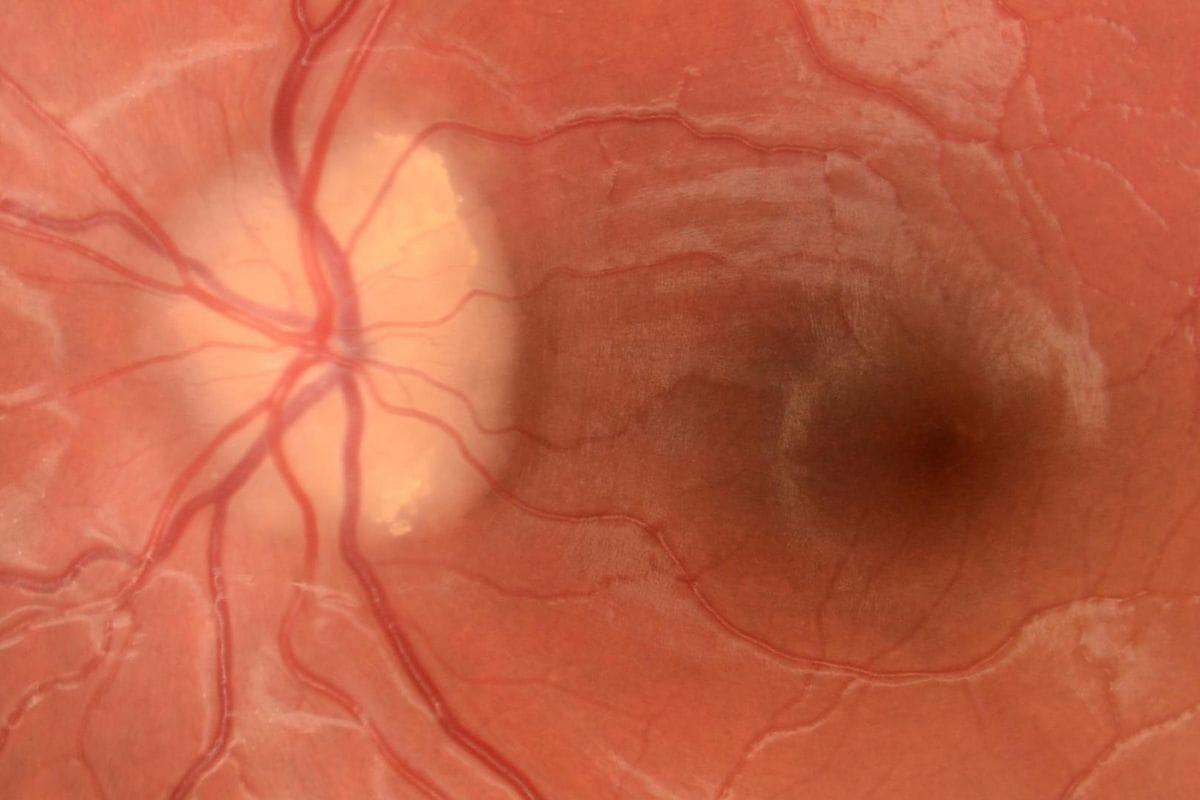
It is a common scenario that potentially swollen optic discs are detected on routine eye examination for another purpose. Clearly, if someone presents with headaches and visual disturbance, then any potentially swollen discs need urgent assessment because papilloedema can be due to life-threatening intracranial problems, such as tumours or vein occlusions. However, it is much more common that people present with presbyopia or dry eye symptoms and the optic disc examination is incidental. In this setting, it is important that the optic discs are examined carefully because true papilloedema can still present without symptoms. Thus, the term pseudo-papilloedema should be used with care.
Sign up to keep reading
Create a free Member account at NZ Optics to read this article and more.
- Read all Member articles
- Full digital magazine archive
- Early access to new articles