The growing prevalence of myopia1 – particularly among children and adolescents – continues to pose a significant public health concern globally. As eyecare professionals, we carry both a clinical and ethical responsibility to respond effectively. Our role places us at the forefront of early detection, patient education and the implementation of evidence-based strategies designed to manage and slow the progression of this condition.
We are fortunate to be practising during a period of rapid innovation, where ongoing advancements in optical technologies are reshaping the way eyecare professionals can approach myopia control. We now have access to solutions that support early intervention, not only for children with existing myopia but also for those considered at risk, often referred to as ‘pre-myopes.’
It is essential that we initiate and lead informed conversations with our patients, their families and fellow healthcare professionals. With access to growing bodies of clinical evidence and validated treatment options, the time to act is now. Our proactive involvement can have a lasting impact on the visual health of the next generation.
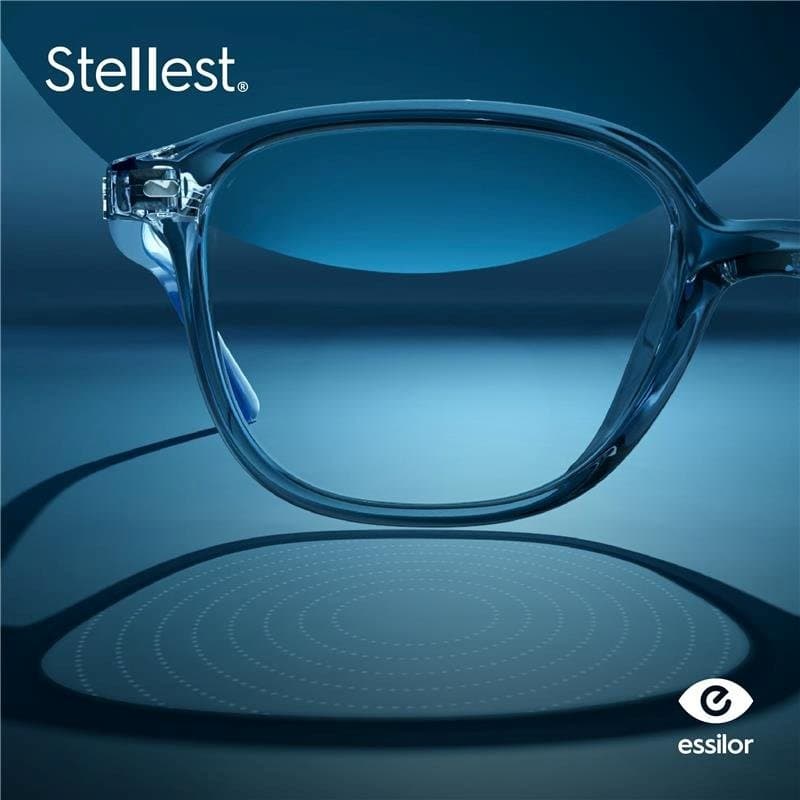
In my role as professional affairs manager at EssilorLuxottica, I have had the opportunity to contribute to professional education surrounding innovations in myopia management. One such innovation is the Essilor Stellest lens, which is designed for myopia control and incorporates highly aspherical lenslet target (HALT) technology. The results of six-year clinical observations have recently been released and presented to the eyecare community internationally.
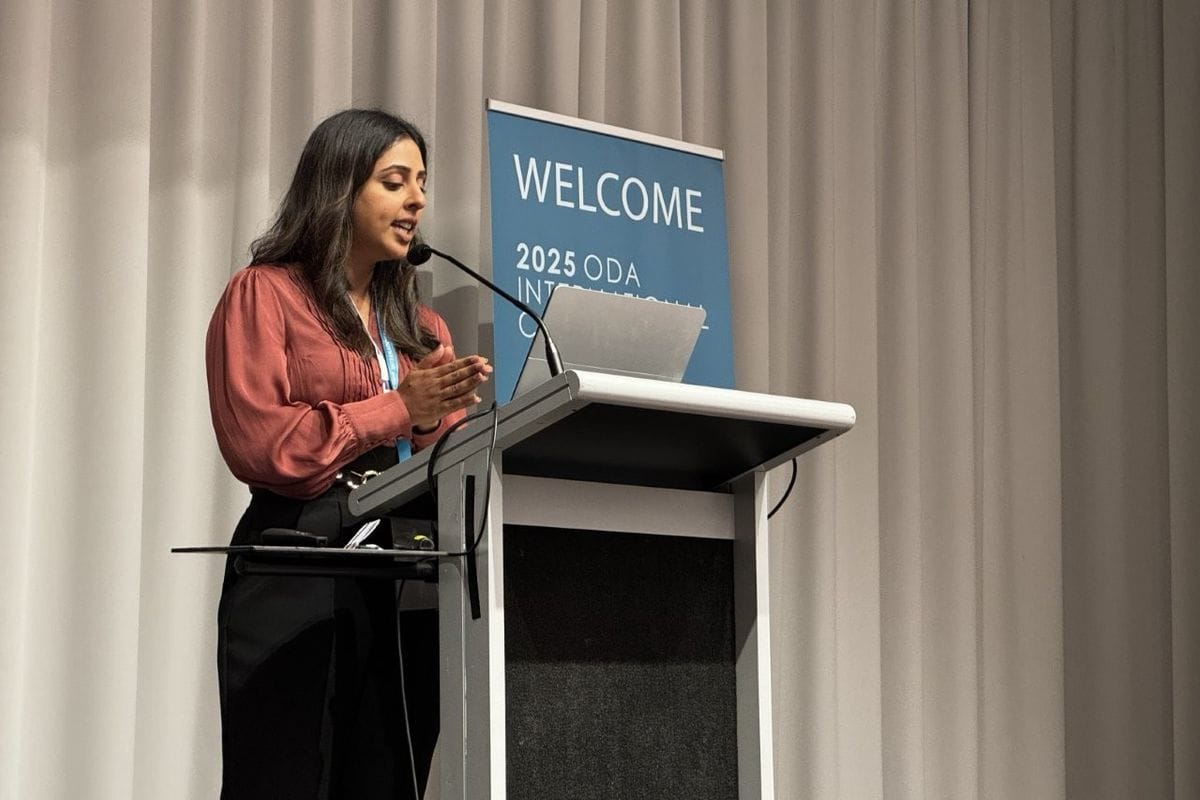
During a recent professional engagement in New Zealand, I had the privilege of visiting the University of Auckland’s School of Optometry and Vision Science and attended an evening event where I spoke with final-year students about the evolving science behind myopia management. I also visited several independent practices to facilitate discussions around clinical application and patient outcomes. These visits provided an excellent opportunity to share the latest data and practical insights.
Highlights of observations across some of the Stellest lens clinical studies include:
- A 67% average slowing of myopia progression when compared to single vision lenses, when worn 12 hours per day every day for two consecutive years2
- A 100% adaptation rate reported among children within one week of lens wear