Should we look for dry eye on every patient? I get this question with some frequency. I admit I find it perplexing. I am reminded of a practitioner asking me several years ago if I did biomicroscopy on every patient. Well, of course! Do I look for dry eye disease on every patient? The answer is a resounding YES! Allow me to explain why.
There's a lot of it
It is well-established that dry eye disease (DED) is prevalent¹. We often hear that it is ‘multifactorial’. What does that mean precisely? It means that many roads lead to DED and that's why there are so many dry eye sufferers. Some common culprits are age, sex, medications, device use, topical preservatives, nutrition, environment, migraine, ophthalmic surgery, autoimmune disease and meibomian gland dysfunction. Does this sound like your patient base?
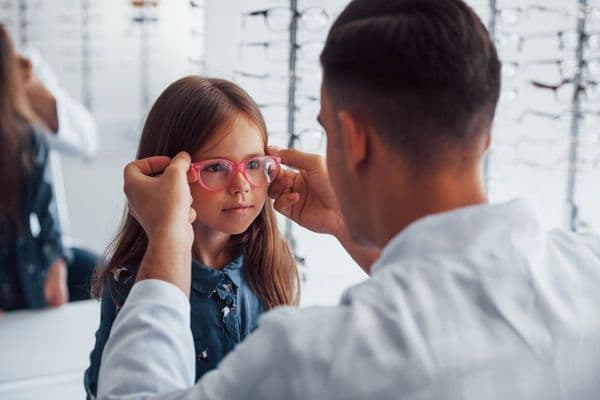
While postmenopausal women are highest on the suspect list for dry eye, device use and medications are two of the more common causes of symptoms in younger people. A 2016 study looked at 630 subjects, of which 60 had both signs and symptoms of DED. Thirty of these stopped all smartphone use for four weeks and their rate of dry eye went from 100% to 0%. While that statistic is undoubtedly impressive, even more shocking is the age range of the subjects: seven to 12 years old²!
When reviewing patient medications meanwhile, antidepressants and antipsychotics have the highest odds of causing dry eye disease³. A 2014 Australian paper found a significant increase in the prescribing of antidepressants, antipsychotic and ADHD medications between 2009 and 2012. For children aged 10-14, antidepressant and antipsychotic dispensing went up 36% and 49% respectively. For patients aged 20-24 years old, ADHD medication was prescribed 71% more⁴.