
Eye2Gene and Heidelberg join forces
LINKS: https://nzoptics.co.nz/live-articles/ga-and-ai-a-new-age/
Staff reporters2 min read
LINKS: https://nzoptics.co.nz/live-articles/ga-and-ai-a-new-age/

Tauranga Eye Specialists has opened a new clinic in Papamoa in the Bay of Plenty. Driven by increased demand from the region’s strong population growth, the day-stay facility marks a milestone in healthcare, said Tauranga Eye’s Dr Sam Kain.
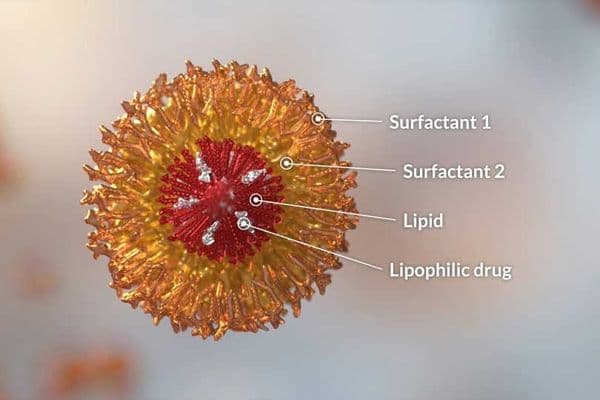
A cutting-edge innovation in topical drops has been described as a breakthrough for sufferers of eye diseases and in ophthalmic drug delivery.
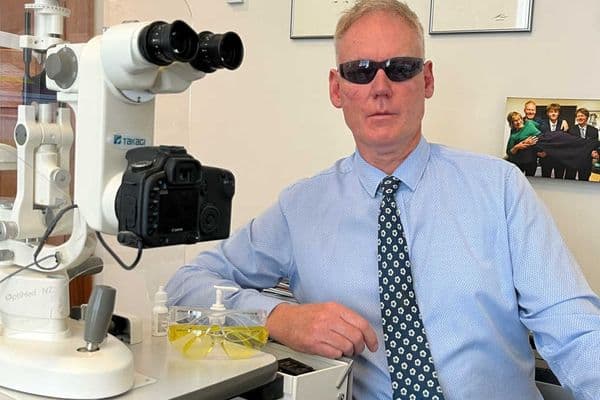
Christchurch ophthalmologist Dr Malcolm McKellar is giving away safety glasses to patients, to promote healthy choices. “Eye injuries are very common and almost all the serious injuries we see coul

Authors of a joint UK and Greek study have found optometrists trained in selective laser trabeculoplasty (SLT) can safely deliver treatments autonomously and take on a significant clinical load to support their ophthalmology colleagues.

Ophthalmologist Dr Sarah Crowe is the power-house behind OOXii, a charity empowering non-optometrists to refract and supply spectacles in remote regions.

Three New Zealand ophthalmologists, Professors Charles McGhee and Helen Danesh-Meyer and Dr Ben LaHood, have been recognised once again in The Ophthalmologist’s annual Power List of the world’s top 10

A large Korean study showed elevated uveitis recurrence rates following Covid-19 vaccination, with the Janssen vaccine (Ad26.COV2.S) more than doubling patients’ risk. Researchers at Hanyang Univers
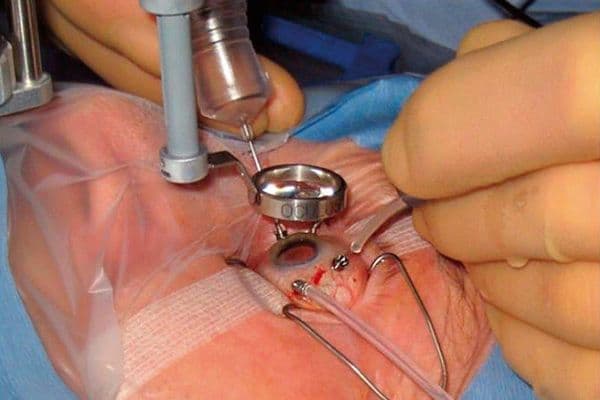
Retinal surgery, especially when combined with phacoemulsification and C3F8 or SiO2 tamponade, significantly affects ocular surface integrity and corneal sub-basal nerve plexus (SNP) density, with cha

In a small US CRISPR gene therapy study for patients with Leber congenital amaurosis (LCA), 79% of those treated showed “measurable improvements”. Fourteen patients (12 adults aged 17-63 years, p
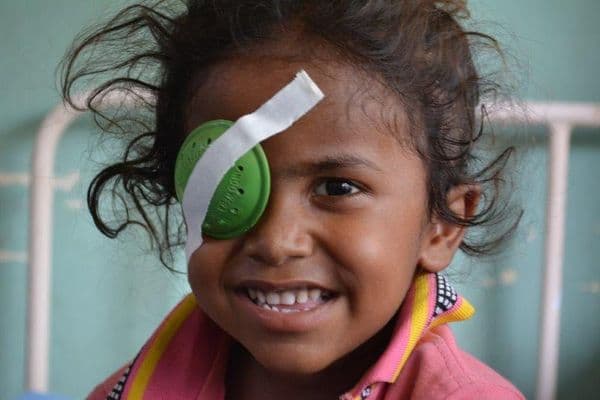
A European study investigating cataract surgery (GFCS) in children found an age of less than 16 weeks and presence of microcornea and other anterior segment abnormalities at the time of surgery were a

An Iranian study found cyclosporine 0.05% was superior to artificial tears in the management of immediate postoperative dry eye (DED) following cataract surgery. Conducted at Bu-Ali Sina Hospital