The Tear Film & Ocular Surface Society’s (TFOS’) mission to advance the research, literacy and educational aspects of the scientific field of the tear film and ocular surface is well known. The non-profit organisation takes pride in pushing boundaries in terms of investing imagination and innovation that are central to its vision, continually striving to make things happen. The Covid-19 pandemic presented significant challenges to realising this mission, forcing cancellation of the 2020 international congress scheduled for Lake Como, Italy, and, sadly, my opportunity to present as the invited plenary speaker.
With unparalleled determination and the support of industry sponsors, however, Amy Gallant Sullivan, executive director and co-founder of TFOS, navigated her way around the restrictions, successfully hosting a special, albeit much smaller, hybrid meeting in Rome in September 2020. There, invited experts representing Africa, Asia, Oceania, Europe and the Americas addressed the unique challenges and unmet needs in their regions and proposed clinical and scientific solutions for the management of ocular surface disease (OSD).

Reports of vast regional differences in ocular health, often related to environmental and socioeconomic conditions, have since been published as a TFOS Special Meeting report in the Ocular Surface journal1. I was fortunate to be invited to collaborate with Professor Fiona Stapleton from the University of New South Wales in Sydney, Australia, referencing the impact of cultural identity on health outcomes throughout Oceania, as well as the challenges relating to access to care in remote islands of the Pacific.
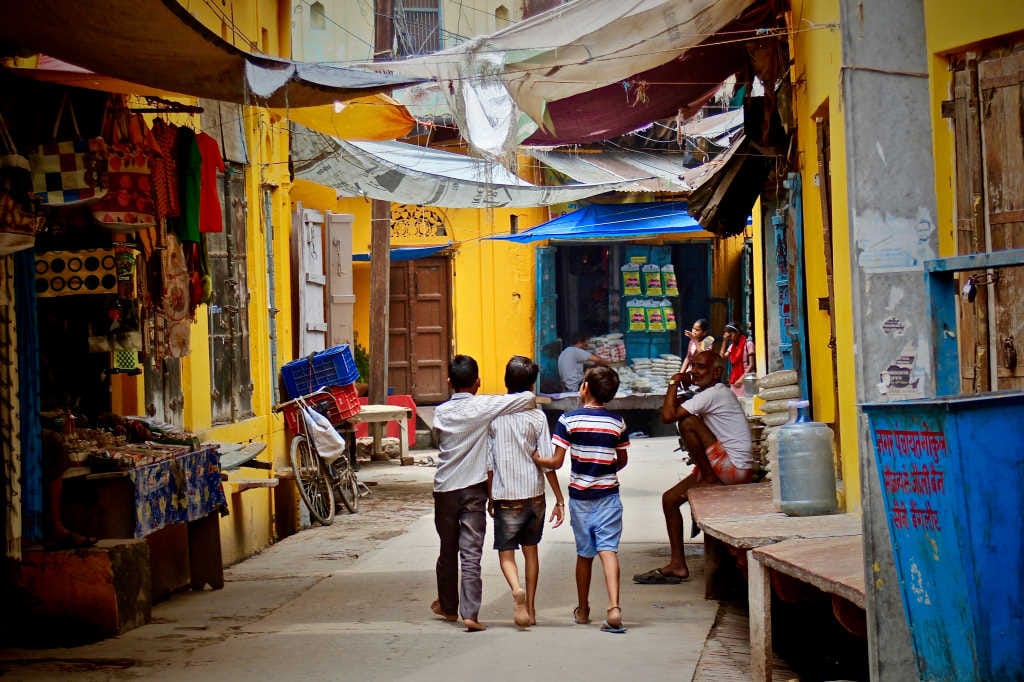
Professor Geetha Iyer from Sankara Nethralaya Eye Hospital in Chennai, India, described particular challenges arising from chemical injuries that can require major ocular surface reconstruction. Calcium hydroxide, known in India as chuna, is commonly taken with betel leaves as a digestive aid. But children, sent out to buy chuna for relatives, are often the ones at risk of injury from caustic chuna exploding in their faces should the plastic packaging burst.